A Return, Morality, and Revenge

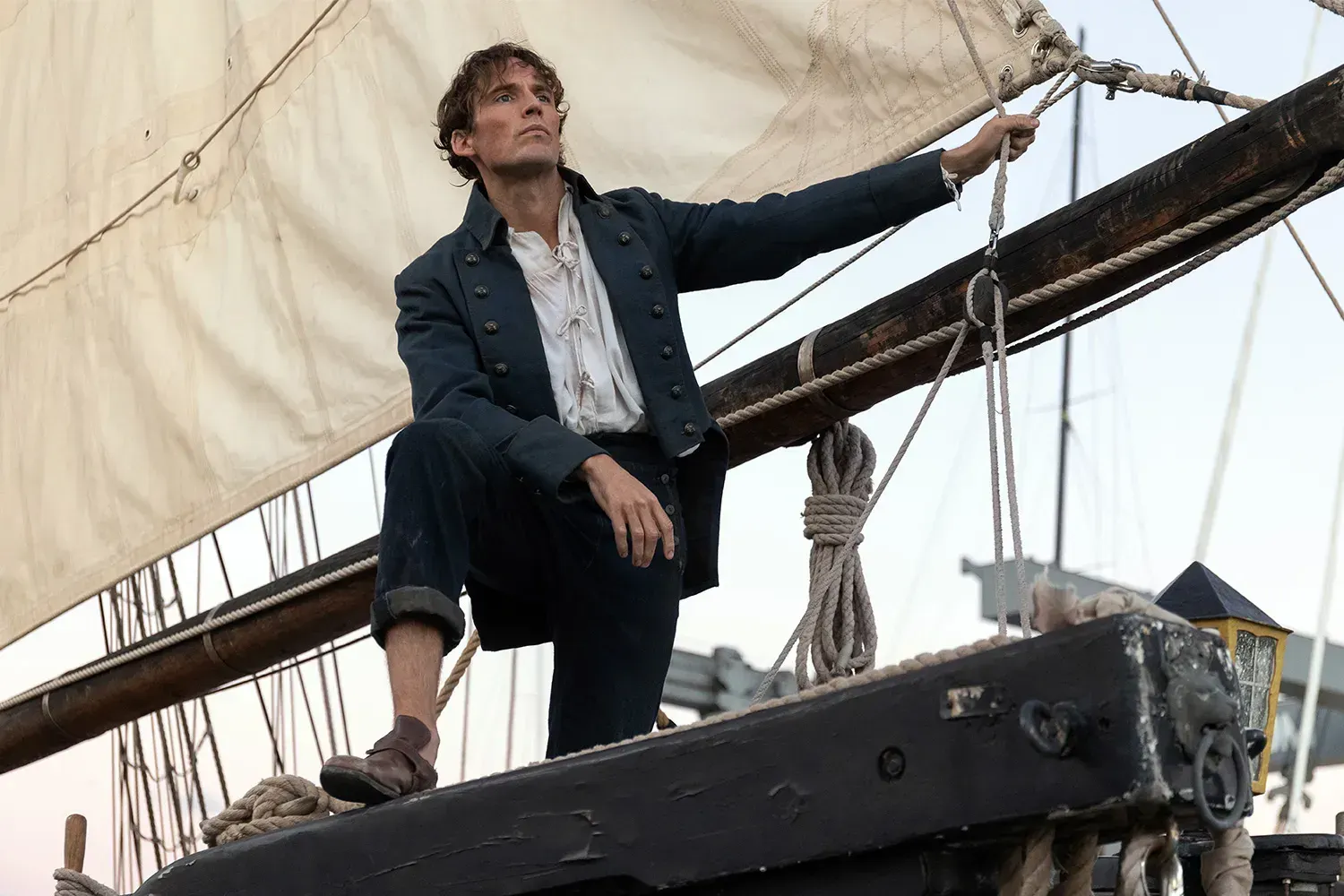
It's been a minute since I've published a post. I hope you've been well. The Knicks are still NBA Champions.
Recently, I've been spending more of my writing time focusing on developing material for standup, but there's been a part of me that misses this medium too.
Creative endeavors can be hard and time-consuming, especially when they're up against more serious things such as work and chores and all the minutia of daily life. A part of me thinks that time spent writing a blog post is time taken away from writing material. Mathematically speaking, that formula makes sense. But that seems too derivative. And creative endeavors are certainly worthwhile.
The End of Reading (and Thinking)
Last weekend, I read Rose Horowitch's excellent essay in The Atlantic entitled "The End of Reading Is Here." In the essay, Horowitch shares some truly bleak statistics on the current state of readers and what a decline in reading might herald for the modern world. She does, of course, talk about AI.
It's all too tempting nowadays to have AI summarize material (books, articles, essays, etc.). It's almost equally as common to have AI think for us, whether it be in writing emails or grappling with the difficult questions of life. That's not good.
The brain, while not a muscle, acts very much like one in that if we don't exercise it, it will atrophy. Take attention spans for example. It appears that the more we consume short form content, the worse our attention span (or executive functioning) gets. It seems likely that the inverse would be true as well: the longer we spend reading or engaging with long form media (another Odyssey viewing anyone?), the better we can handle focusing for prolonged periods of time.
The ability to think critically goes hand-in-hand with our attention span. The more we practice, the better we'll be able to think. If we offload thinking to an AI chatbot, though, the future looks bleak.
This is all to say that writing is good. It's not something that can be a waste of time. The effort is cumulative. To return to my idea of the formula above, writing blog posts doesn't detract from writing standup because the effort itself isn't wasted, which makes me want to find a better balance between doing one or the other.
Hardcore Literature
I've also been trying to read more.
Last month, I finally finished Anna Karenina (6/5 stars, such a fantastic book), and now I'm reading the unabridged version of The Count of Monte Cristo. Alongside my reading of these classics, I've also been listening to Benjamin McEvoy's lectures as part of the Hardcore Literature Book Club.
Part of McEvoy's lectures include questions he poses to his audience to deepen the reading experience. Up until this point, I've mostly shirked these questions (or lied to myself by saying I'll think about them before quickly forgetting as soon as I stop listening). I want to change that, though.
I'm not sure if I'll stick to this, but my current thinking is that I might use these blog posts as a way to grapple more deeply with the books I'm reading by writing answers to McEvoy's questions. If I'm lucky, maybe that grappling will lead to better comedy material. Who knows? Regardless, the effort is the point.
Here goes nothing.
Also, the below might include spoilers for The Count of Monte Cristo. Beware.
Where does our sense of morality come from?
We're starting with a very light question here...
Perhaps morality is ingrained within all of us from the start in a raw form. In my mind, morality is like a block of marble. It's there from the moment we're born. Yet like a sculptor shapes marble into a statue, morality is shaped within us by the stories we consume.
Some parts of the sculpture might come more easily. For example, nearly everybody (everybody I know at least) believes murder is bad. That's not such a hard piece to sculpt. Depending on the stories we're told, though, other parts of our morality statue might differ from person to person.
This is the power - and danger - of the stories we consume. If we're not careful, the stories and media we consume can lead us to beliefs that are anti-social or selfish or worse, especially in an age where clickbait and AI-generated content is running rampant. If we fill our minds with convenient stories about how we should turn away from our neighbors and build walls between those who are different, we might just start to believe these things are moral.
This is why I find comfort in turning to the classics. The classics have been vetted by our ancestors. These stories speak to some universal human truth that has persisted over decades, centuries, and millennia in some cases. Shakespeare couldn't turn to ChatGPT as he was crafting his many characters
We consume stories in so many ways: books, audiobooks, podcasts, movies, Instagram reels, X posts. So many of these stories are trying to get us to feel a certain way about something. If we're not careful in choosing our inputs, we might find our moral code somewhere we didn't intend it to be. We must be careful about the statue we are sculpting for ourselves.
Can revenge ever be fully satisfying?
TL;DR...no. I don't think so.
After reading Anna Karenina, it is impossible for me to think about revenge (or its cousin, vengeance) without thinking of the Biblical verse, "vengeance is mine; I will repay" which serves as the book's epigraph.
Tolstoy (or at least his translators) leave out the next part of the quote. The longer quote according to the King James Bible is "vengeance is mine; I will repay, saith the lord."
Those last three words feel incredibly important.
After reading Anna Karenina, one of my takeaways is that it isn't for us to invoke vengeance. That is reserved for a higher power: God (in the case of Anna Karenina), or karma, or fate, or whatever higher power in which one believes.
Vengeance is not for us.
This is evidenced in The Count of Monte Cristo. As Edmond spends years planning his revenge on those responsible for his false imprisonment, we see the toll it takes on him. Edmond is paranoid and relies on drugs to sleep and otherwise go about his life. He is the benefactor of a gigantic fortune, but he doesn't use it for anything other than to pursue his one purpose. He lives this extravagant life as the count, but it doesn't seem like he really enjoys it.
Seeking revenge has consumed Edmond.
The book walks an interesting line. As a reader, I want Edmond to carry out his revenge against the conspirators, but I do not want to be in Edmond's shoes. The burden of his task seems too heavy despite his abundant wealth. I root for the count while also pitying him.
Ultimately, I don't think revenge can be fully satisfying because it will never undo the initial fault. Edmond, try as he may, can't go back in time and erase his imprisonment. Even if he succeeds in his plans, he will always carry that trauma with him. We'll see if the book's conclusion changes any of these thoughts, though.
Do you agree with my answers to the above? If not, how do your own thoughts differ? I'd love to hear your opinion in the comments. That's the beauty of these questions; they have as many answers as there are people.