Time Is a Flat Circle

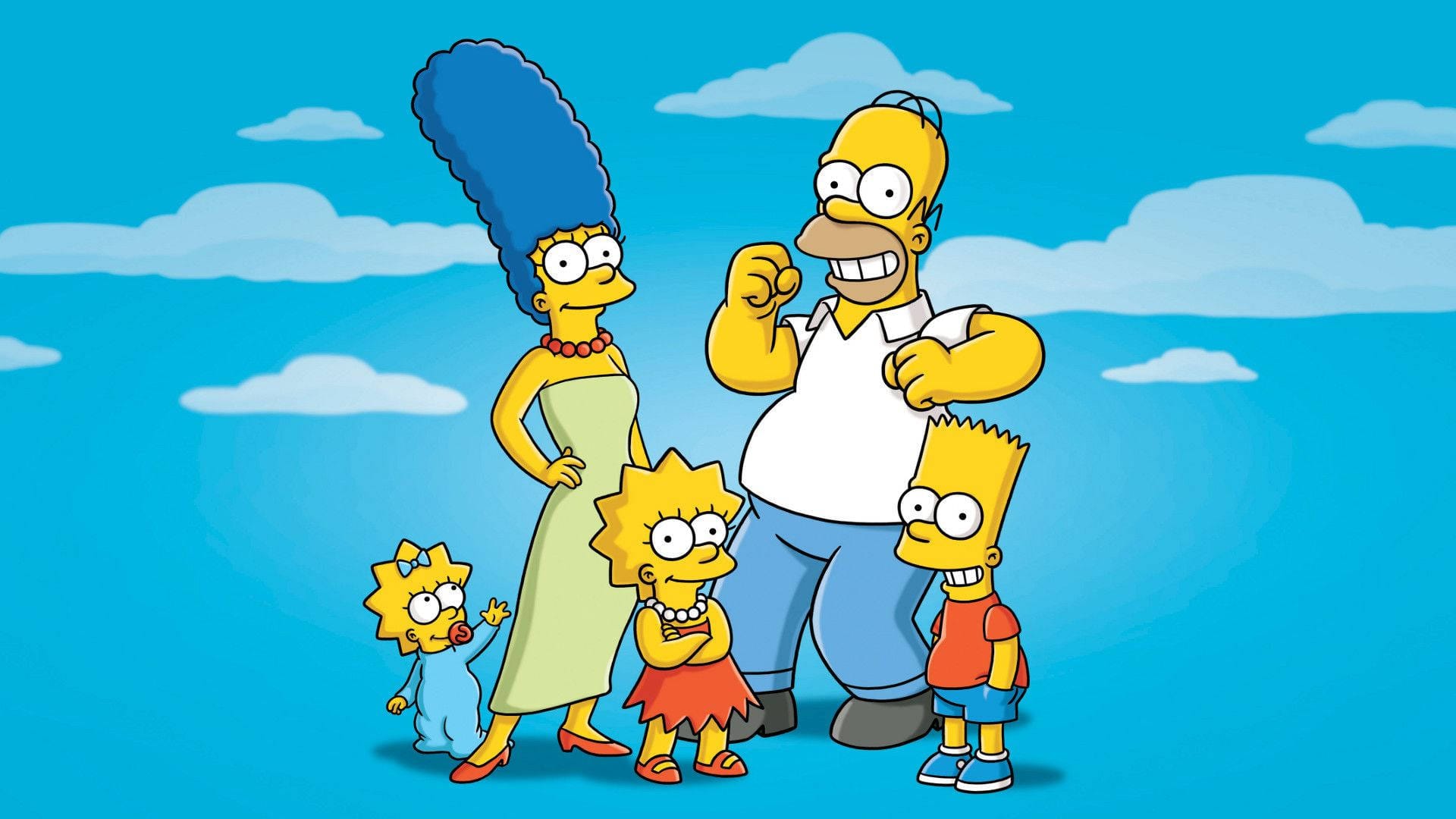
One of my less urgent bucket list items is to watch all the episodes of The Simpsons. The show just recently aired its 800thepisode, so it’s safe to say I’ve got some ground to cover.
Trying to chip away little by little, I’ll find myself in a Simpsons mood every couple of months and watch some episodes.
When it comes to The Simpsons, it’s not uncommon to hear about how the show predicts the future. The list of “predictions” includes the Trump presidency (Season 11, Episode 17), the Higgs-Boson particle (Season 10, Episode 2), and the COVID-19 pandemic (Season 4, Episode 21). While fun, these “predictions” are more of a testament to the show’s endurance over the past 37 years. If you put up a lot of shots, at least a few are guaranteed to go in.
While predictions are one thing, the show’s endurance makes it a sort of historical time capsule. Watching any given episode will give viewers a glimpse into what was going on in America when the episode premiered.
I’ve found that viewing The Simpsons as a time capsule has been oddly reassuring.
Ever since COVID-19, the term “unprecedented times” gets tossed around willy nilly. It seems that everything nowadays is unprecedented. Yet, watching The Simpsons, I’ll be reminded that we’ve been in a lot of similar situations before.
One example jumped out at me recently.
The Simpsons Season 5, Episode 10 is titled “$pringfield (or, How I Learned to Stop Worrying and Love Legalized Gambling).” The title is a reference to Dr. Strangelove.
Just based on the title alone, you might be able to guess where I’m going.
In the episode, the local Springfield economy is struggling, and the town’s response to turn the tide is to legalize gambling. Mr. Burns opens a casino, and the impact ripples through the town leading to Marge developing a gambling addiction.
This feels like a plot that could’ve been in the show’s most recent season, let alone one from 33 years ago, if you just replace the casino with FanDuel, DraftKings, or Kalshi.
The Simpsons is uniquely good at examining the human condition (at least in the show’s heyday). That’s part of its popularity.
The show knows that humans aren’t always these heroic figures that do the right thing and vanquish evil in the end. Just look at the members of the Simpsons family, ranging from the self-righteous Lisa to the outright bafoonish Homer.
In “$pringfield,” we even see Marge struggle with addiction, something one might not expect from an animated comedy.
The show often presents humans as we are for better and worse, which is why seeing these familiar plot lines brings me a sense of relief.
We’re not a perfect species. We’re going to make mistakes, and a lot of those mistakes won’t be made only once. Legalized gambling, for example, isn’t an issue that’s new to the 2020s, and there are implications of this legalization trend that we will have to face as a society down the road.
But, the show also reminds us that humans often try to be a little bit better than before.
Returning to “$pringfield,” we see Homer step up to look after the kids and care for Marge as she struggles with the gambling addiction. He’s not a perfect father by a long shot, and there’s humor around the situation, but at his heart, Homer does love his children and his wife.
Doomscrolling might lead you to believe that times have never been worse than they are today. That’s not entirely true, though.
We’ve had our fair share of dark days in the past. Sure, things might not be great now, but it gives me hope to think that if we’ve survived the past, we can continue to survive and progress.
Either way, we can bank on there being new episodes of The Simpsons until the end of time.
If you made it this far, please consider subscribing so that the next post gets delivered straight to your inbox!